Featured
Table of Contents
Despair is a complex process that varies from person to person. The five stages of pain rejection, rage, bargaining, clinical depression, and approval are a practical framework for thinking regarding grief, yet it doesn't imply we'll go through every stage. Likewise, we can experience these aspects of pain at various times, and they do not occur in one particular order.

This website utilizes cookies to aid personalise material, tailor your experience and to maintain you visited if you register. By continuing to utilize this site, you are consenting to our use of cookies.
The seven stages of despair are a layout for just how an individual may regret. This intermittent structure is suggested to help you much better comprehend your feelings and is not meant to recommend just how you need to grieve, what you should be sensation, or in which order. Everybody grieves in a different way. Each phase may reoccur or overlap the others.
Find out more about the 7 phases of sorrow. Grief can be a tough and messy procedure.
Why Trauma Therapy Transforms the Trauma Response in Healthcare Professionals
That's due to the fact that no one can ever be truly prepared for a loss so significant. Many of the time, this is since your body has not refined the loss.
These feelings and experiences are self-protective mechanisms that work as a barrier so that you are not overwhelmed simultaneously. Since the fatality of an enjoyed one can have such a substantial influence on you, you may experience denial. During this phase of grief, it is just also difficult for your mind to comprehend that your family members participant, friend, or other loved one is gone.
As you slowly begin to approve the loss and what it implies for your life now, your denial will start to diminish. You might have a broader series of feelings and feelings when denial uses off. Up until after that, you might have periods when you really feel distressed, which can be caused by suggestions of your liked one.
:max_bytes(150000):strip_icc()/4175361_color1-5c3b9069c9e77c0001c6c85f.png)
In some instances, it's a typical sensation to wish to avoid others so that you do not have to recognize or discuss your loss. Occasionally, you really feel absent-minded, get conveniently sidetracked, or hesitate during this stage of pain. You might also try to remain hectic at all times or closed down mentally.
The Role of Internal Family Systems in Healing Achievement Patterns
In certain situations, you could additionally really feel mad with the health care service providers, your good friends, relative, God, or any type of various other spiritual being(s) you count on. But under all that temper is your discomfort. While it might be awkward to take care of, it offers much more framework to your grieving than remaining numb.
Throughout this stage, people frequently feel defenseless and helpless and ask themselves "what if" concerns. You may feel guilty for not doing even more to keep the loss from taking place or for not spending more time with the individual you shed. Throughout the negotiating stage, it's typical to question or claim, "I should have done this ..." or "If I had actually just done that ..." While these sorts of uncertainties are normal, they are not where you want your thought procedure to remain.
Depression Behind the Mask of Achievement
It might likewise be handy to do something particular, like compose a letter to your enjoyed one or chat to them out loud. When you come to terms with the fact of the loss, a deeper degree of despair might begin to creep in.
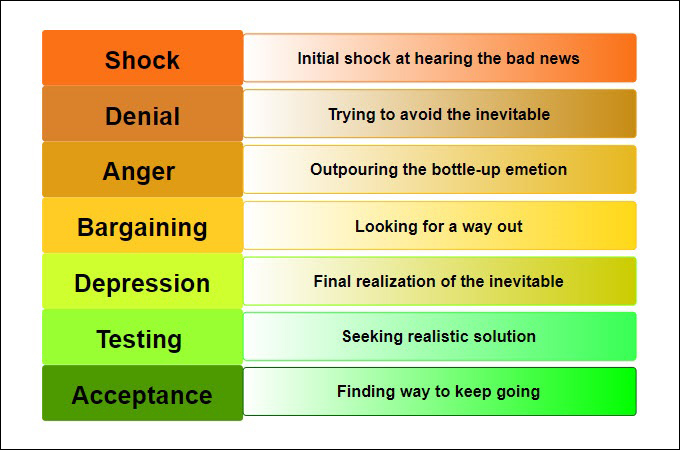
You can additionally see for a checklist of added sources or call the number below to get to Chemical abuse and Mental Wellness Solutions Administration (SAMHSA) hotline. The screening phase of the mourning process frequently involves checking out different points that assist you progress. In this stage, you are starting to develop your brand-new normal in addition to processing your sensations and emotions created by the loss.
Reaching the acceptance stage does not imply you are OK with what occurred. Instead, this part of the mourning procedure is more regarding accepting what your life resembles currently. You will certainly still need to listen to your feelings and change, but you will start to really feel more wholeeven if it looks various than it did previously.

Latest Posts
Merging Cultural Practices into Neurolinguistic Programming Therapy Methods
Processing the Essential Elements of Childhood Trauma
Brainspotting: A Breakthrough Treatment for Trauma Resolution